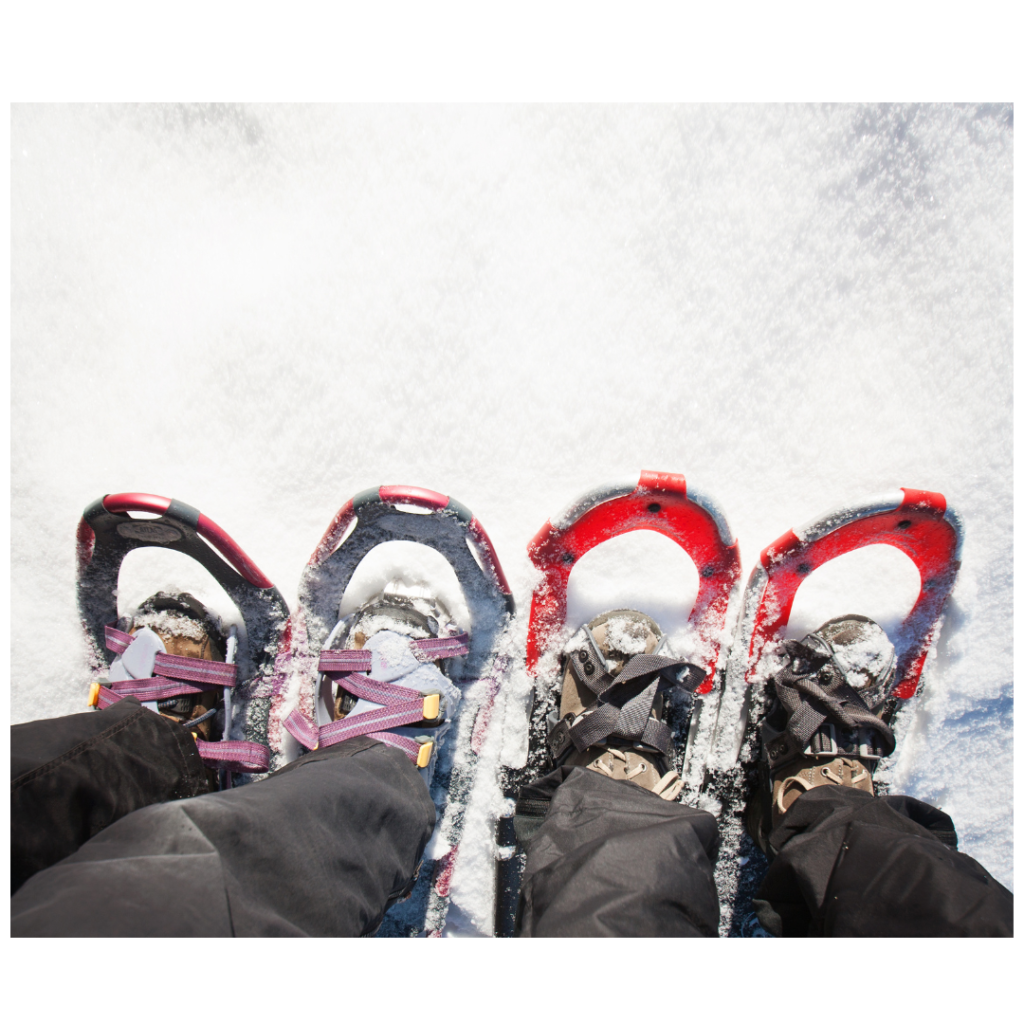
Starting snowshoeing is an excellent way to get outdoors during the winter months, and it is suitable for people of all ages, fitness levels, and body types. Compared to other winter sports, snowshoeing equipment is relatively affordable, and it can be done almost anywhere, including your backyard, neighborhood parks, or athletic fields. The ideal type of snowshoe for you will depend on the snow conditions and your intended activity. The surface area of the snowshoe is crucial; the deeper the snow, the more massive the snowshoe’s surface area is required to keep you above it. For speed and running, a smaller snowshoe would be more comfortable and less impactful on your gait. Additionally, the terrain’s incline determines the level of traction required. Appropriate clothing, such as gloves, hats, socks, and base layers, is essential to ensure your safety and comfort while snowshoeing. We have consulted with experts in the field to compile a list of their favorite snowshoes and other essential gear for your snowshoeing experience.
To determine which type of snowshoe is right for you, think about how much snow you’ll be walking in and what you want to do. “Everything basically comes back to the surface area of the snowshoe. The deeper the snow or the heavier the load, the bigger the snowshoe surface area you’ll need to keep you above as much of the snow as possible,” Elmore says. If you’re looking to move fast, or even run, the opposite may in fact be true: ”The smaller the shoe, the easier it is, the more comfortable it is, and the less impact it has on your gait.” And then there’s traction. If you’re on flat terrain, you don’t need much. Rolling hills require a little more grip, and steep or icy terrain requires aggressive crampons.
As important as finding the right snowshoe is, finding appropriate clothing — things that will keep you warm and dry — is even more important when it comes to staying safe and having fun. To help you find the right snowshoeing gear, we asked Simon, Elmore, and five other experts to tell us about their favorite snowshoes, gloves, hats, socks, base layers, and more. Here are their picks. For updated prices, check directly with the store.
Snowshoes

L.L. Bean Men’s Trailblazer Snowshoes

L.L. Bean Women’s Trailblazer Snowshoes
If you’re just getting into the sport, buying an approachable and affordable option may be the best bet. “Some inexpensive brands work really well,” says Simon. “I like L.L.Bean a lot. They make a really great product across the board, and they have a terrific return policy.”
Note: These snowshoes are currently sold out, but the MSR snowshoes below (that are also subject to L.L.Bean’s generous return policy) are still in stock.

MSR Revo Explore Snowshoes, 25”
“MSR is a great brand. The REVO Explore is for someone who wants to elevate their game a little bit,” says Stacey Timmons, director of retail at Sun Valley. “They’re a combination of speed and deep snow performance.”

Atlas Run Snowshoes
If walking is not your cup of tea, you can get snowshoes specifically designed for running. “Atlas snowshoes manufacturers great racing shoes,” says Elmore. These lightweight aluminum shoes have a narrow frame that helps avoid clipping — or catching one shoe on the other, even as you sprint. “The racing aspect of the sport is what I affectionately call the lunatic fringe,” he says.

More Stories
Snowshoeing Health Benefits
Best Fitness Monitoring Devices
Mental Health and Physical Fitness